How to reach Kothaligad / Peth Fort from Karjat
Kothaligad and Peth Fort are names for the same trek destination; the road approach and ascent are separate legs. Indiahikes documents the Ambivli → Peth gaon → fort route. Its trail description puts Ambivli about 23 km from Karjat, followed by about 4 km to Peth gaon and another 1.6 km to the fort.
For a station pickup, a September 30, 2026 Google Maps road snapshot to the Hotel Kothaligad / Chinese Corner landmark in Ambivali village is about 24 km. View the road approach to that landmark. It is an approach pin, not the summit, a verified parking entrance or permission to drive up the walking trail. Confirm the guide meeting point before leaving Karjat.
Book a suitable road transfer to the base and agree the return time and pickup point. Do not assume a bus departure, shared jeep seat or late auto will be available. Ask at the Karjat bus stand about current base-area services if travelling by bus. From Ambivli, allow for both the approach walk to Peth and the steeper ascent described by the trek source; the fort climb is not included in the road distance.
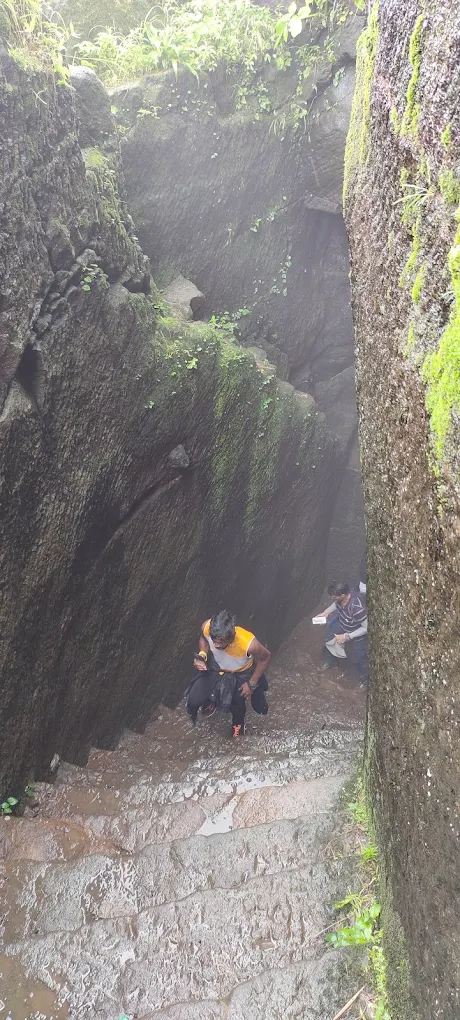
Wet rock and monsoon runoff can make the final steps unsafe. Use a local guide if unfamiliar with the route and turn back when conditions or closures require it.
Introduction & Overview
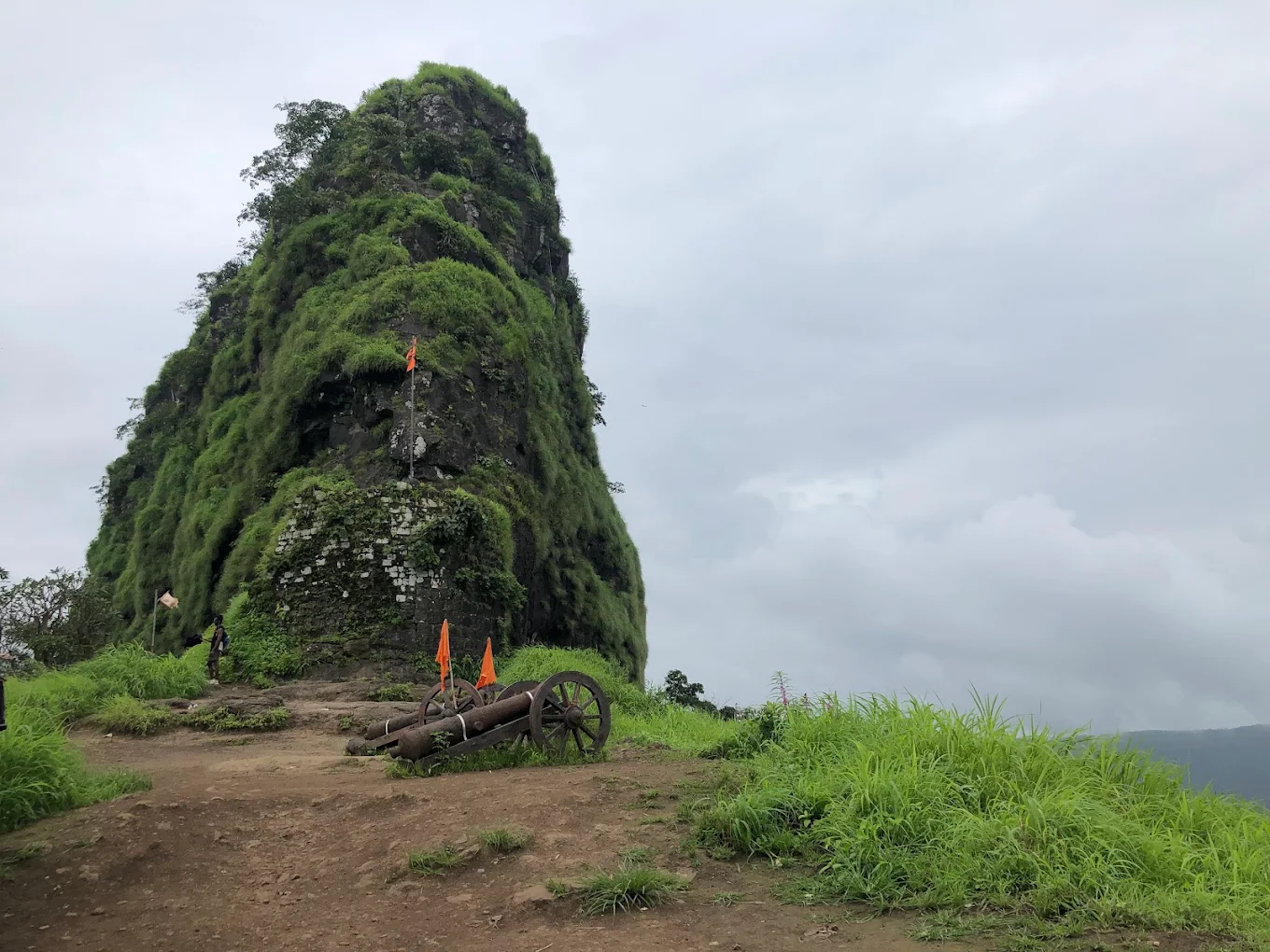
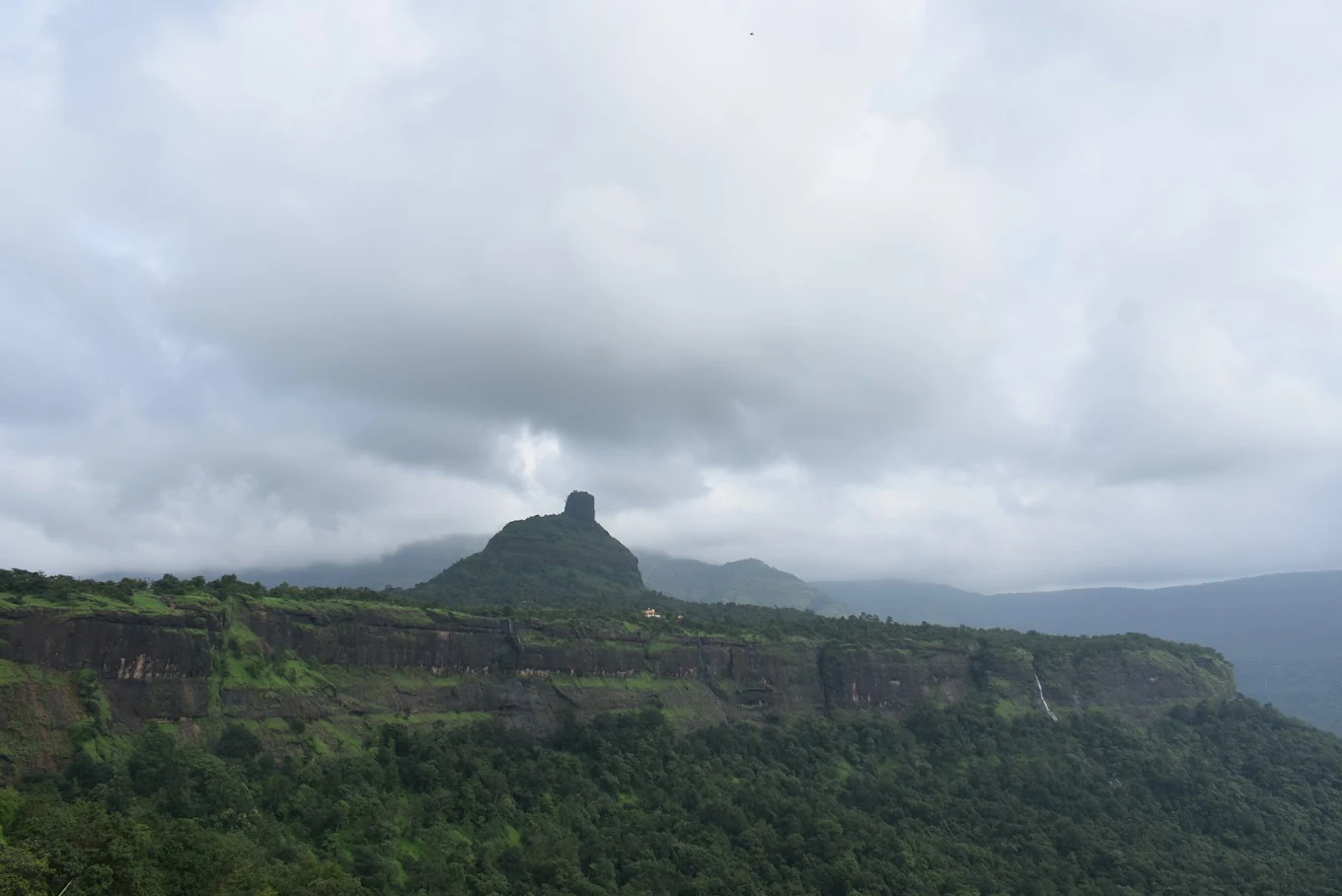
Kothaligad, commonly known as the Fort of Peth, is a unique hill fort located near Karjat. From far away, the top of the fort looks like a tall stone chimney or a round watchtower standing on top of a flat, green mountain plateau.
Because of its special shape, it is one of the most recognized landmarks in the Western Ghats mountain range. It is surrounded by green valleys, waterfalls, and peaceful farming villages, making it a favorite hike for beginner climbers and photography lovers.
History & Cultural Background
Kothaligad has a rich military history going back to the 13th century. Due to its high position, it was used primarily as a watchtower to keep an eye on trade paths connecting the coastal ports to the inland cities of Maharashtra.
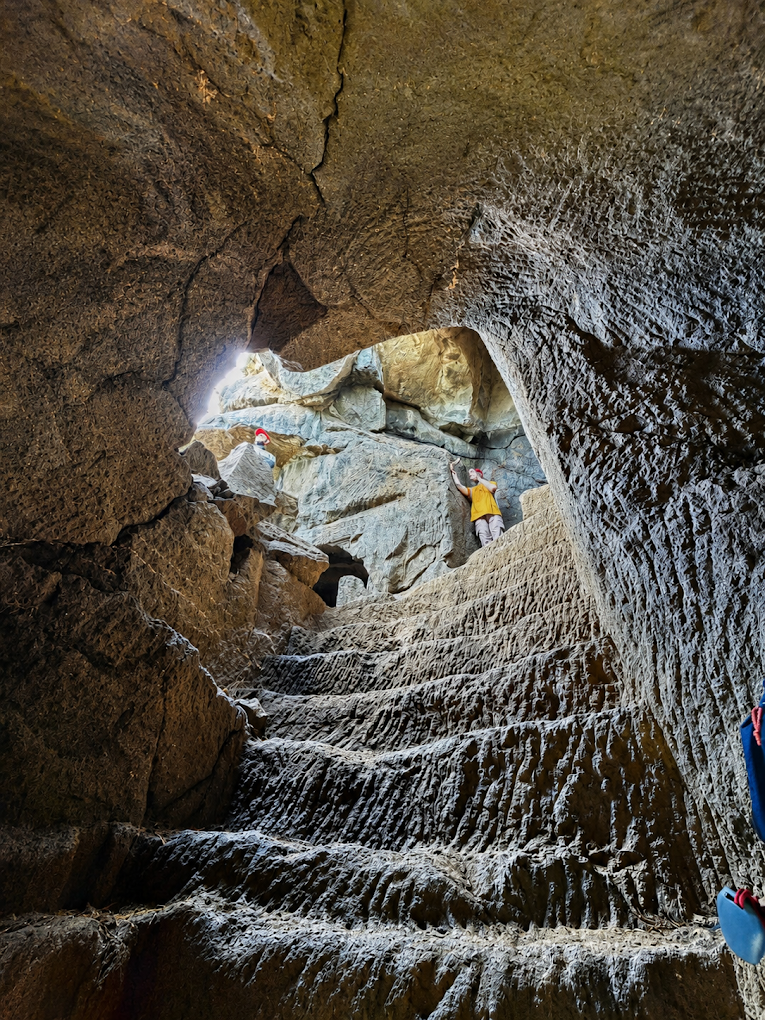
During the 1600s and 1700s, the fort changed hands between the Maratha Empire, the Mughal Empire, and the British. The Marathas, under King Sambhaji Maharaj, used this fort to store weapons and food supplies. The most amazing engineering feature of the fort is its internal spiral staircase. Ancient workers carved a hollow tube through the center of the solid stone tower with stone steps inside, allowing soldiers to reach the top safely under cover from enemy arrows.
When to Visit
- • Late Monsoon (Aug – Sep): Lush green grass, wildflowers, and floating clouds with cool, breezy weather.
- • Winter (Oct – Feb): The best season for clear sunrise and sunset views with pleasant morning temperatures.
- • Summer (Mar – May): Can be exhausting due to strong heat. Start early in the morning before sunrise if visiting.
Key Highlights & What to See
Carved Rock Staircase
Climb through the inside of the rock chimney to reach the very top pinnacle.
Bhairavi Devi Temple
A peaceful cave temple located on the flat plateau at the base of the chimney.
Ancient Water Tanks
Cold-water reservoirs cut directly into stone that have stored water for centuries.
360° Mountain Views
Sweeping panoramas of surrounding peaks like Bhimashankar and Padargad.
Helpful Tips for Visitors
- Difficulty: Moderate. The hike takes about 2 to 2.5 hours from the base village of Peth.
- Guide: The trail is well-marked, but taking a local village guide can make the trip safer and more informative.
- What to Carry: Carry at least 2 liters of water per person and light energy snacks like nuts and fruit.