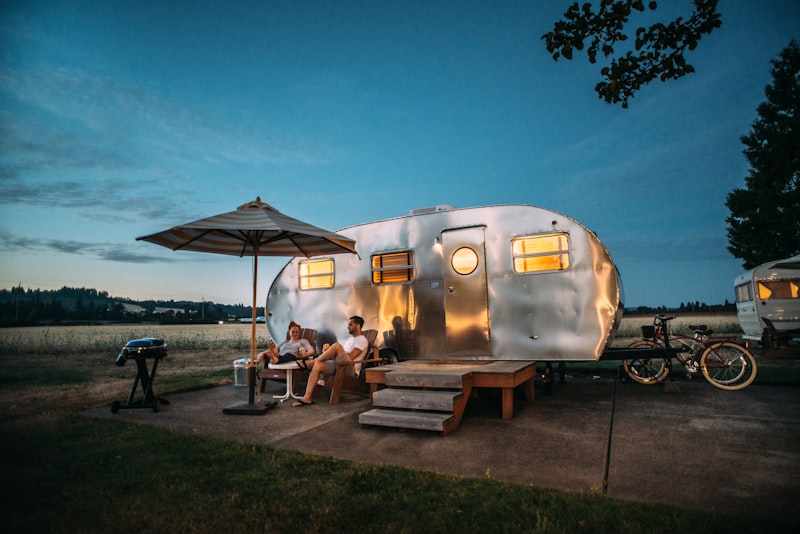
A camping trip in Karjat can mean a simple tent on managed private land, a riverside overnight stay, or a furnished glamping tent with a proper bed. The setting matters, but the operator, ground conditions and facilities matter more. Use this guide to choose the right stay, plan the journey and avoid treating every reservoir bank as a public campsite.
Choose between lakeside camping, riverside tents and glamping
Lakeside camping suits a slow evening, sunset views and an early morning outdoors. Riverside camping offers a different setting, but a tent should never sit on a low bank or flood channel. Glamping is worth considering if you want the outdoor experience without bringing sleeping equipment. The word "glamping" alone does not guarantee an attached bathroom, air-conditioning or meals: ask what the booked tent actually includes.
For families and first-time campers, choose a managed site with on-site staff, toilets, drinking water, lighting and a clear route back to the road. Experienced campers should still obtain the landowner's permission rather than pitching beside a dam or on an unfamiliar field.
Lakeside areas to research before booking
The site's camping activity guide covers Palasdari and Pali Bhutivali as lakeside areas to explore. Read the Palasdari Dam guide and Pali Bhutivali Dam guide for location context. These are area guides, not proof that camping is permitted on every bank or that a particular operator is open.
Solanpada also appears in our hidden gems guide. Treat a scenic reservoir as a place to research, not an invitation to camp beside the water. Confirm private-land access, local restrictions and a safe setback from the shoreline with your host. Do not enter reservoir water or add kayaking to the itinerary unless a responsible operator confirms the activity and safety arrangements.
When to go and when to change the plan
Post-monsoon and winter are the site's preferred seasons for camping. Even then, check the forecast close to departure and ask whether the ground is dry and accessible. Open sites can feel colder and windier at night than the daytime weather suggests. Pack a warm layer and bedding suited to the conditions.
During monsoon rain, a waterproof tent is not a complete safety plan. Runoff, rising water, lightning and slippery access roads can make an overnight stay unsuitable. Ask the host about cancellation or relocation if heavy rain is forecast. Do not camp on riverbeds, low banks, dam spillways or waterfall routes. For a seasonal overview, see the best time to visit Karjat.
What to confirm with the campsite
- The exact location: request the entrance pin, final approach-road condition, parking arrangements and the name of the person who will meet you.
- The sleeping setup: clarify tent capacity, shared versus private tents, mattresses, clean bedding and protection from rain.
- Facilities: ask about toilet access, drinking water, charging points, lighting and staff availability overnight.
- Food: check which meals are included, serving times, vegetarian options and whether dietary requests can be met.
- Activities: distinguish included activities from paid extras. A bonfire, barbecue or water activity may depend on weather and local rules.
- The final price: get the total for your group, including taxes, transport, child charges and extras. Ask for the cancellation terms in writing.
No campsite price or licence status is verified here. Compare actual quotes for the same date and inclusions rather than assuming a low advertised starting price covers the whole stay.
Getting to camp from Mumbai or Pune
Karjat railway station can be a useful arrival point, but camps are spread beyond the town. Consult our Karjat transport guide, then arrange the last leg with your host. Confirm pickup costs, availability for late arrivals and the return journey before travelling. Do not assume an auto-rickshaw or cab will be waiting near an isolated site the next morning.
If driving, arrive before dark where possible. Save the entrance pin and host's phone number offline. Check the road condition with the operator, particularly after rain, and ask whether your vehicle can reach the entrance or needs to stop at a separate parking area.
A simple one-night camping plan
Keep the first afternoon unhurried: check in, inspect the tent and toilets, find the staffed area and learn the site boundaries. Take a short walk only on approved paths, return before dark and leave the evening free for dinner and any activities the host has confirmed.
Start the next morning with breakfast and a short walk, then pack and check out. If you want to add a trek or sightseeing, use the places-to-visit guides to plan it separately. Avoid arriving at an unfamiliar trail late in the day just to fit everything into one weekend.
What to pack
- A headlamp or torch, spare power and a charged phone with offline directions.
- A warm layer, spare socks, comfortable closed footwear and rain protection if needed.
- Personal medicines, insect repellent, toiletries and a small first-aid kit.
- A refillable water bottle and a bag to carry your rubbish out.
- Your own sleeping bag or liner if the operator's bedding does not meet your needs.
Ask before bringing cooking equipment or extra tents. Never use a stove, charcoal barbecue or open flame inside a tent. Keep valuables with you and do not leave food out overnight.
Safety and leave-no-trace camping
Stay within the host's agreed boundaries and keep children supervised near water. Ask how staff handle an emergency and where vehicles can collect someone who needs help. If the operator cannot explain the site layout, overnight supervision or emergency access, choose another stay.
Use designated toilets, take litter home and keep music low. Light a fire only where the landowner and local rules allow it, with staff supervision and a way to put it out fully. Do not cut branches, disturb wildlife or leave food waste behind. A quiet, clean campsite is better for both nearby residents and the next group.
Karjat camping FAQs
Can I camp anywhere beside a lake?
No. Confirm landowner permission and local restrictions. A viewpoint or reservoir mentioned in a travel guide is not necessarily an authorised campsite.
Is camping suitable for children?
It can be, if the selected site has suitable toilets, safe tent placement, overnight staff and rules that your family can follow. Check these details with the operator instead of relying on a general "family-friendly" label.
Should I bring my own tent?
Only if your booking allows it. Many managed packages supply tents and bedding; a self-pitch booking may have different facilities and charges.
What if heavy rain is forecast?
Discuss cancellation or relocation before leaving. A safer indoor stay is a better choice than proceeding with a low-lying camp in bad weather.
Deciding between a property break and a hill-town holiday? Compare Karjat and Matheran stays.